We hold ourselves to the highest standard
We make sure that everything we do aligns with the principles we hold dear.
Below are just a few of Brightstar’s key policies and principles. More information on each of these policies can be found in our code of conduct.
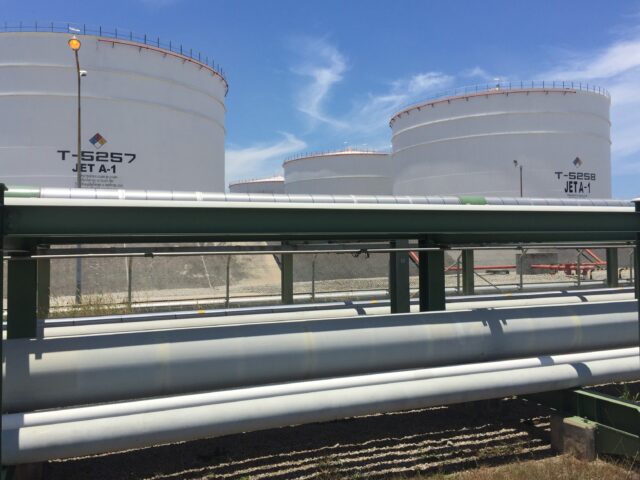
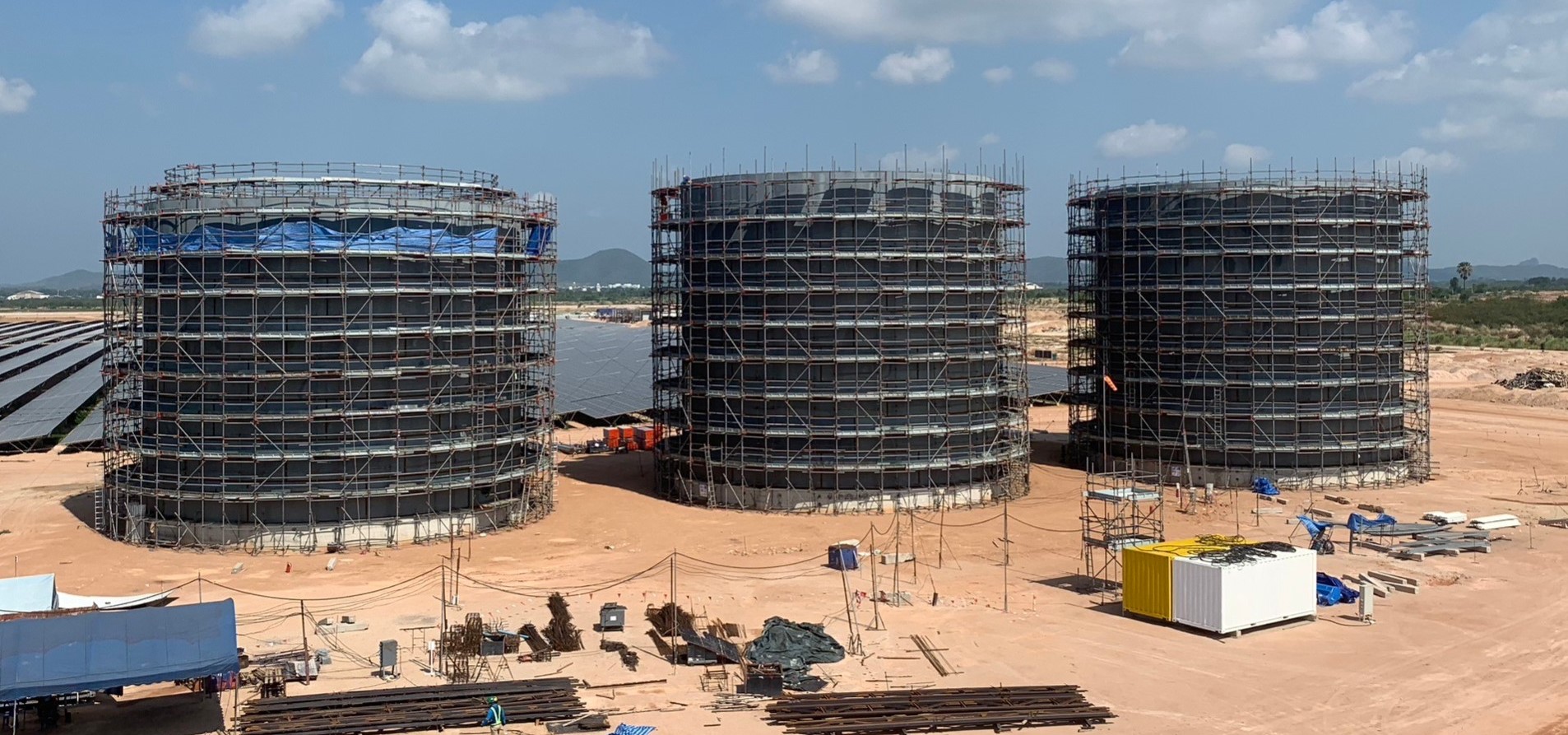
U-Tapao International Airport Fuel System
U-Tapao International Airport (UTP) is an airport located in Ban Chang District of Rayong Province, approximately 170 km from Bangkok. Originally serving as the Royal Thai Navy Airfield, UTP has ...
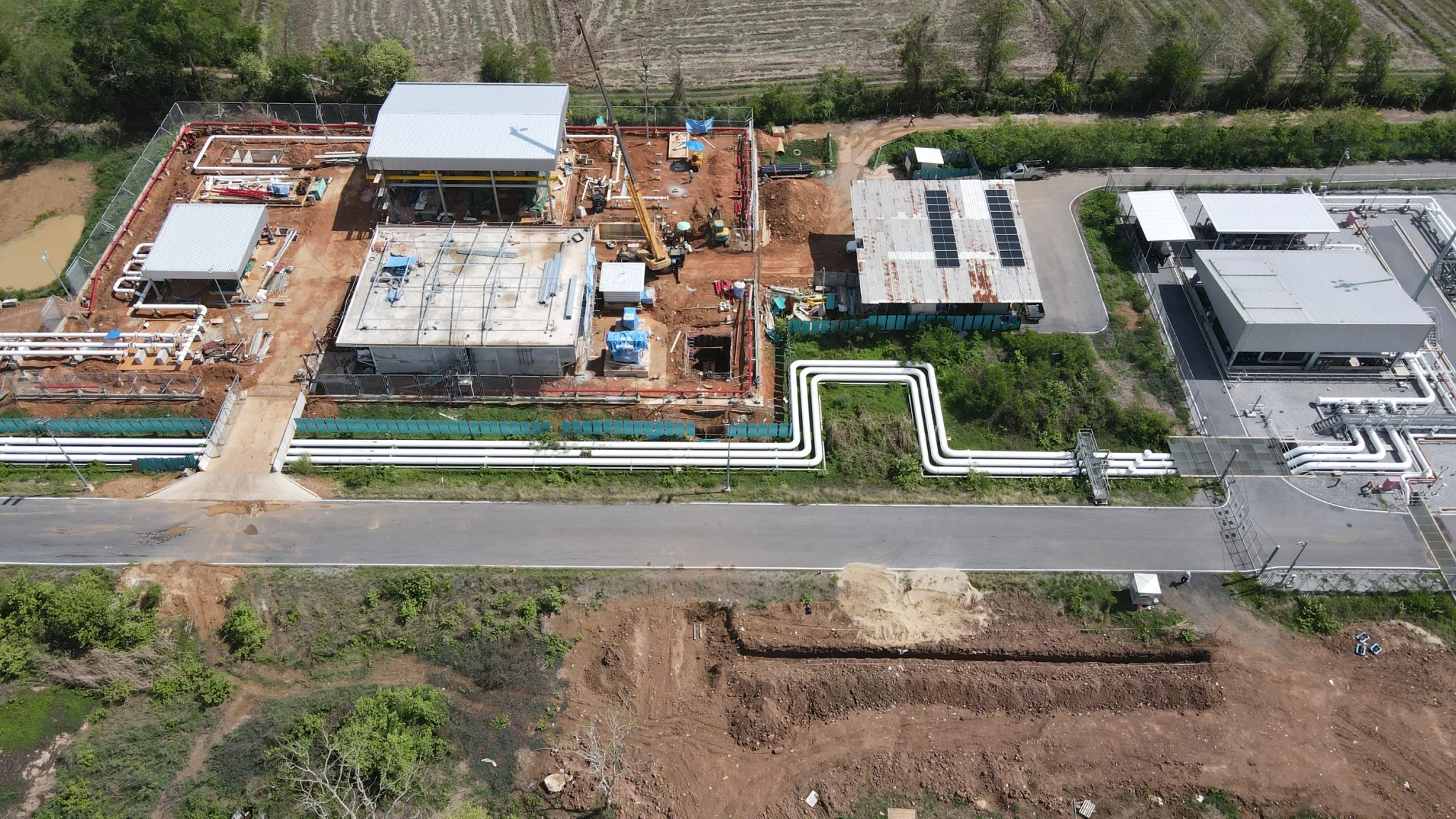
BPT LinkLine NBPT Phase III (Angthong-Saraburi) Project
BAFS Fuel Pipeline Transportation Ltd. (BPT) would construct a new pipeline from an existing oil terminal in Saraburi (SRB) connecting to the NFPT multi-product pipeline in the vicinity of Angthong, ...
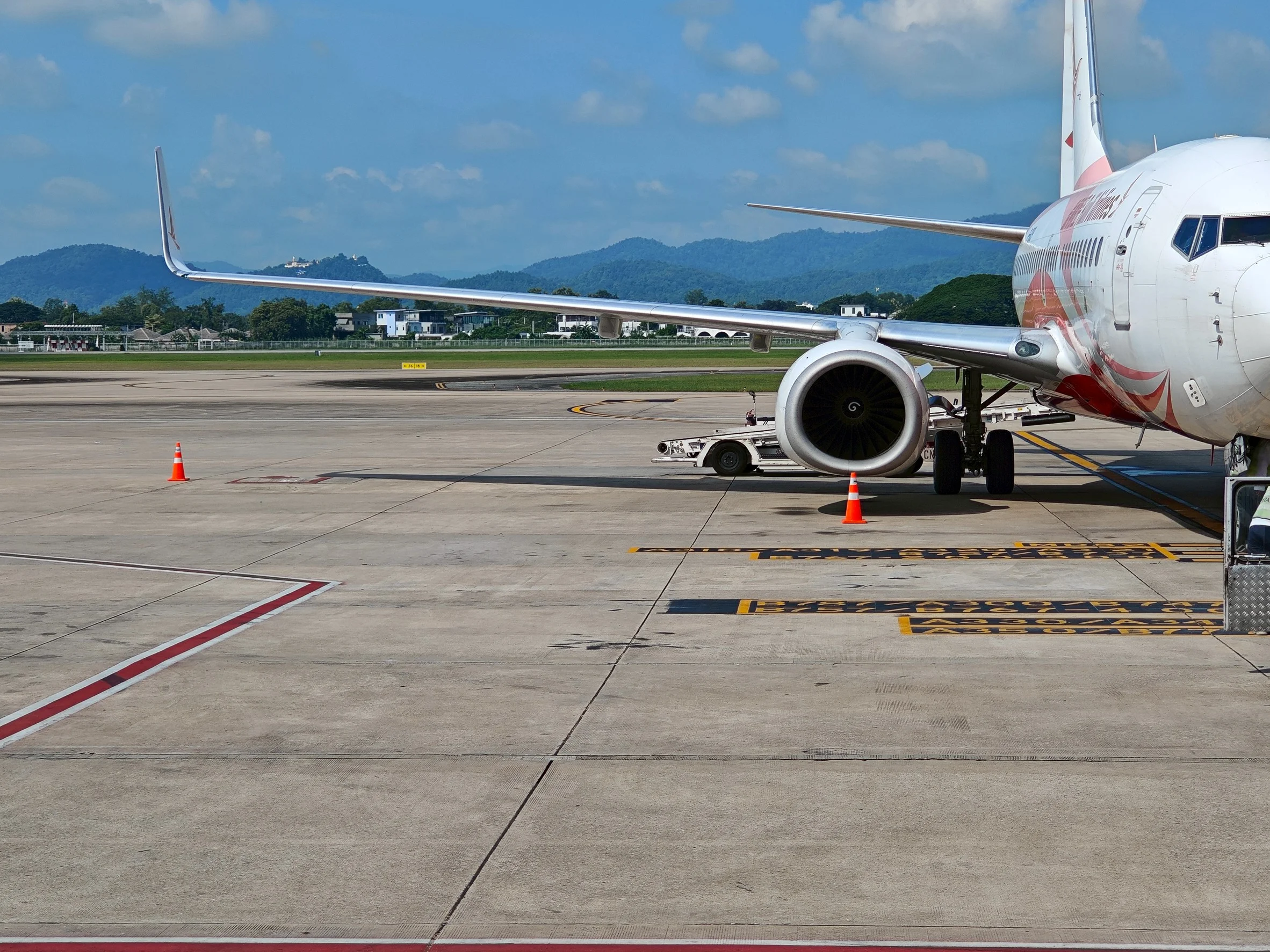
AOT Chiang Mai Airport Development Phase 1 Project
Chiang Mai Airport, operated by Airports of Thailand Co., Ltd. (AOT) will be expanded to accommodate increasing passenger traffic and a greater proportion of international flights, over all 20 million ...
AOT Phuket International Airport Development Phase 2 Project
Phuket Airport, operated by Airports of Thailand Co., Ltd. (AOT) will be expanded to handle 10.5 million international passengers and 18 million overall passengers per year. The planned expansion works ...
Consultancy Services for Additional Tanks Construction Projects at Singapore Changi Airport
Project Purpose and Scope The project adds three new above-ground Jet A-1 storage tanks to meet increasing aviation fuel demand at Changi Airport. New tanks will integrate with existing infrastructure, ...
Nyaung-U (Bagan)
In 2019, Golden Myanmar Airlines (GMA) recieved permission from the Myanmar Investment Commission for the importation, storage distribution and dispensing of Jet Fuel to 7 regional airports around Myanmar. The ...
Krabi International Airport: Hydrant Fuel System Project
PTT have engaged Brightstar to prepare the FEED package for a new hydrant fuel system to be constructed at Krabi International Airport.
The FEED package includes a scope of work as ...
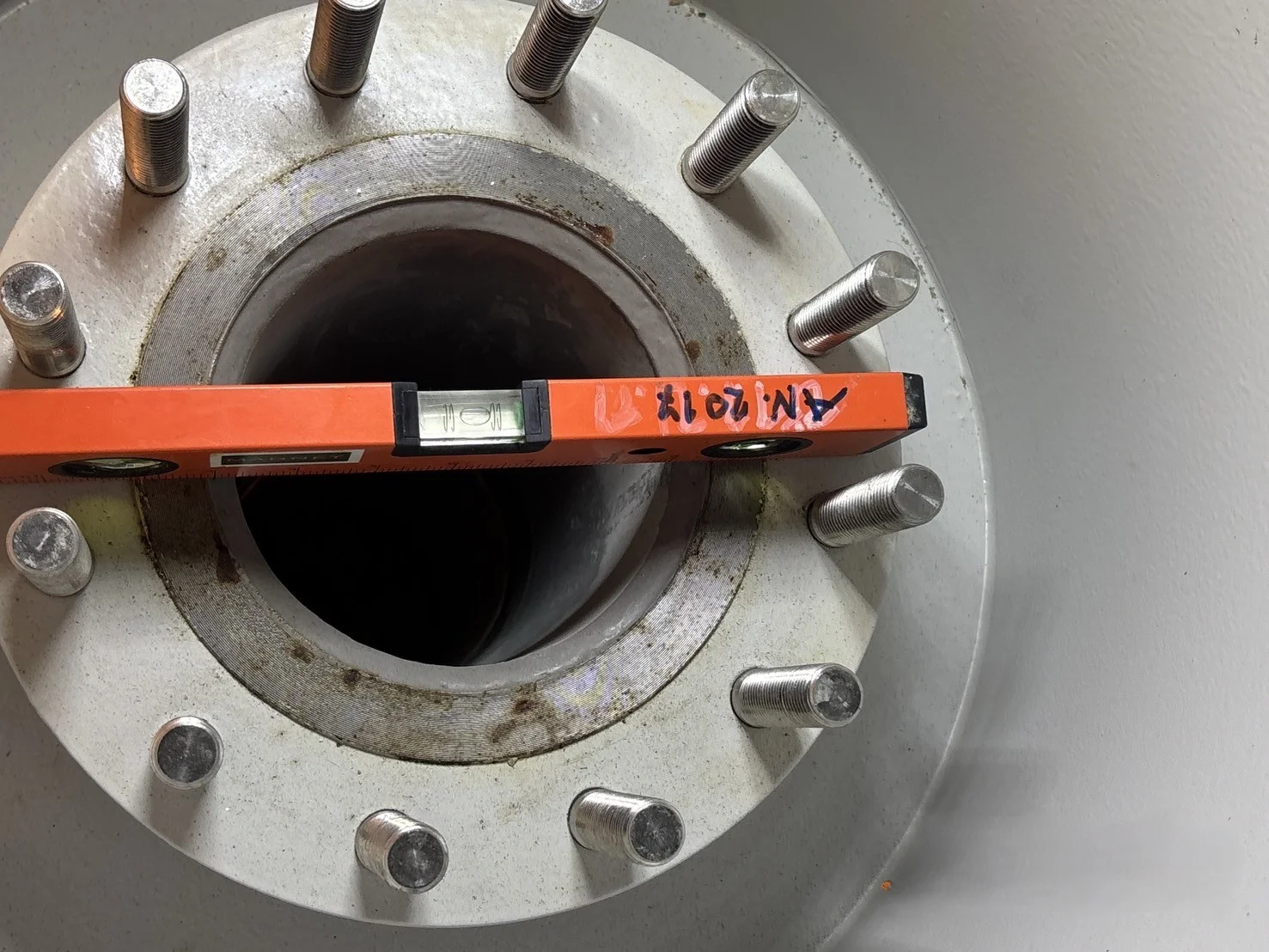
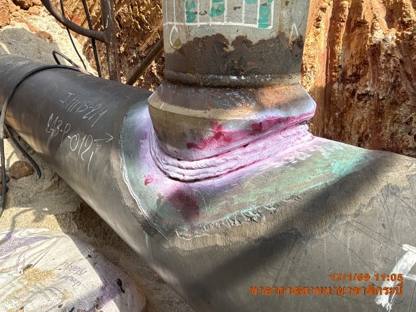
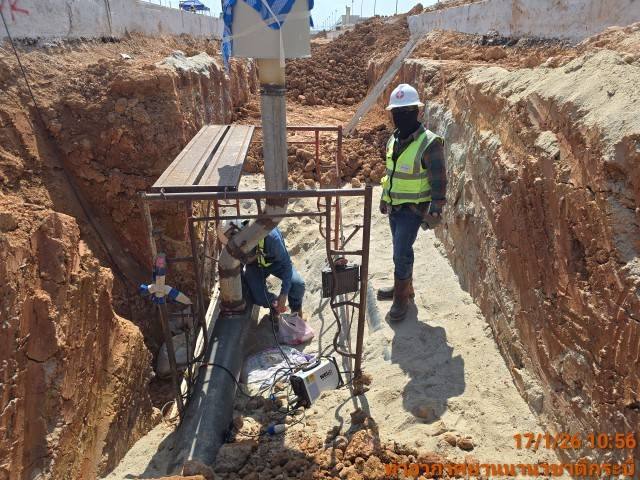
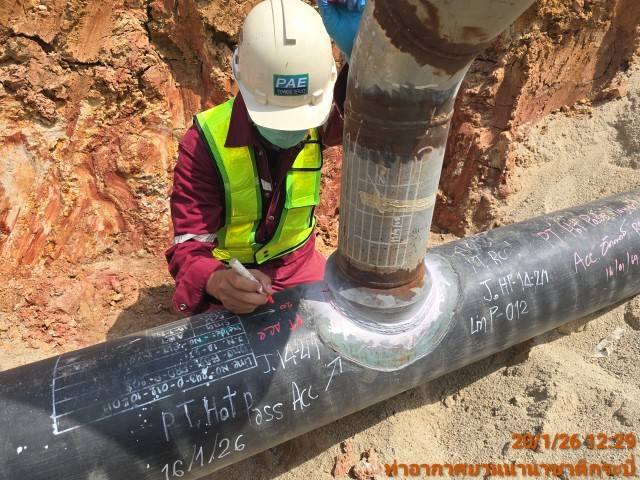
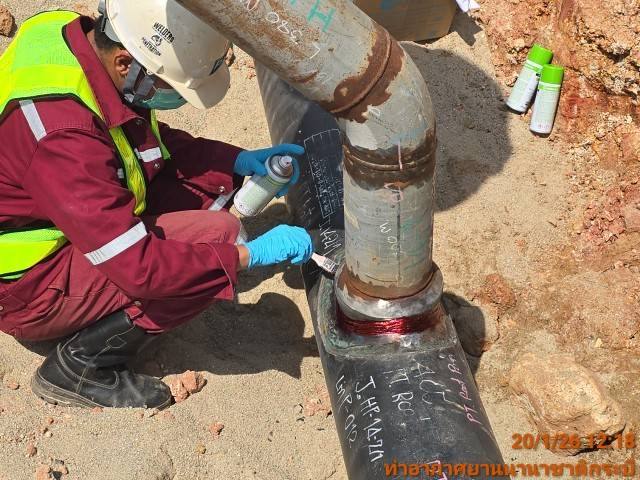
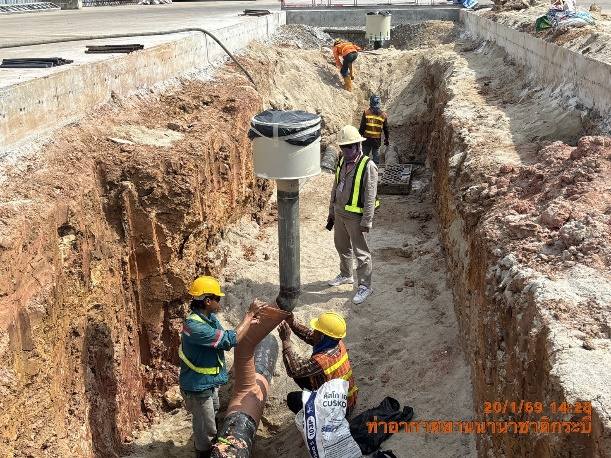
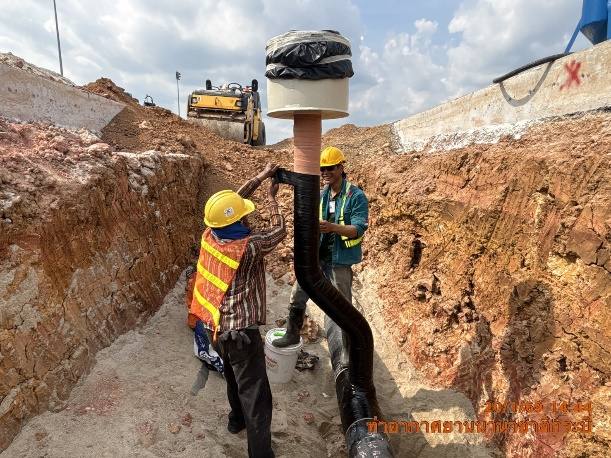
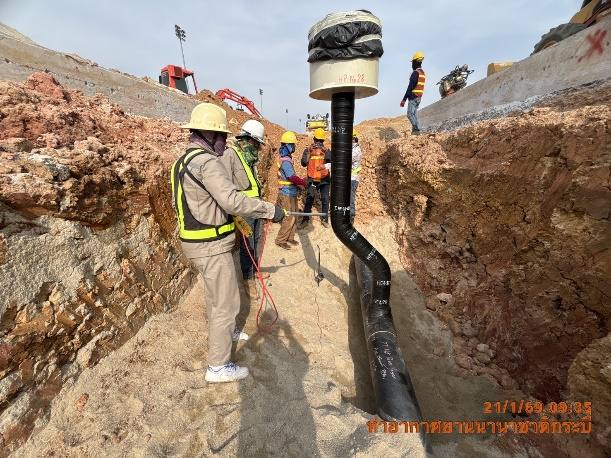
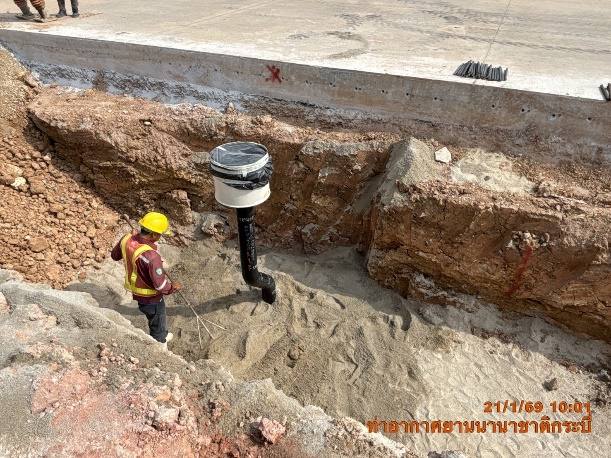
Hydrant System Installation Olets Spool Riser 6″ and Pit Box
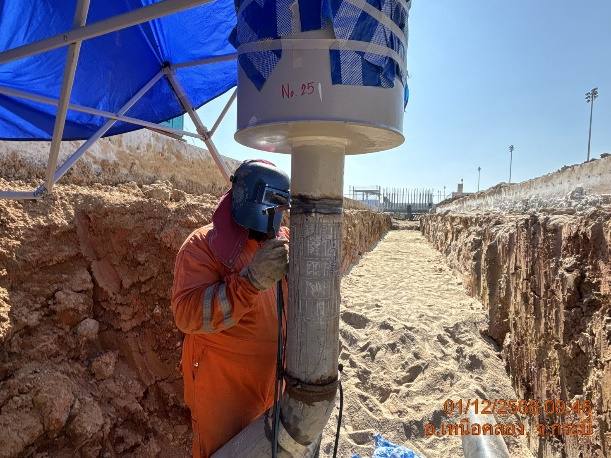
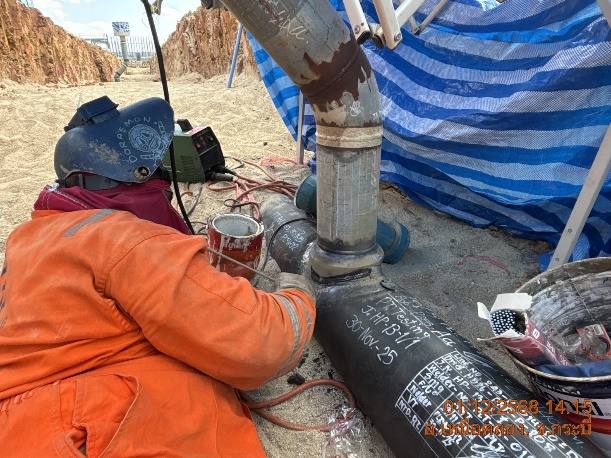
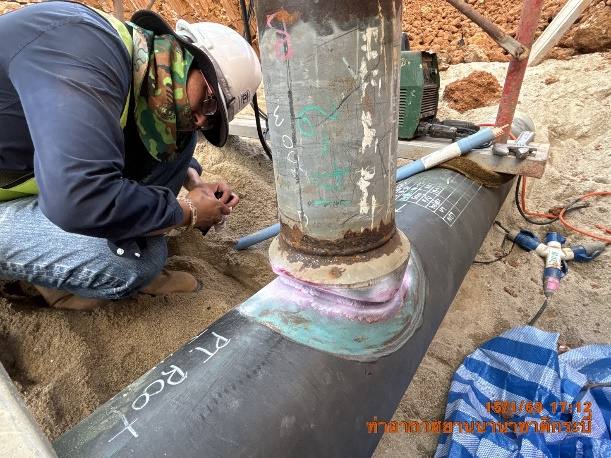
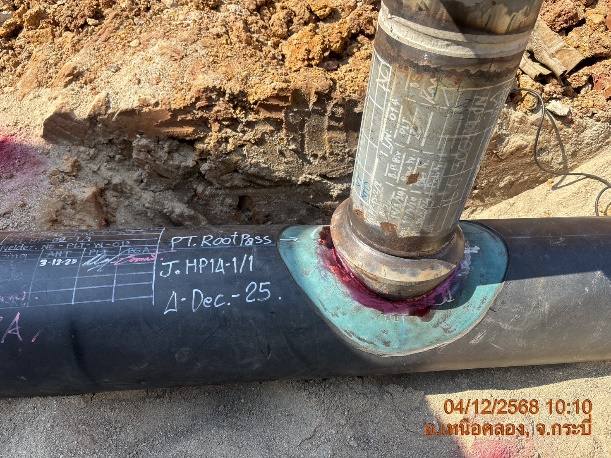
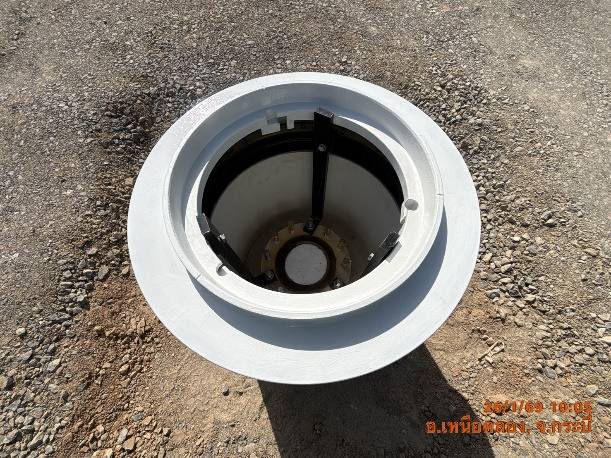
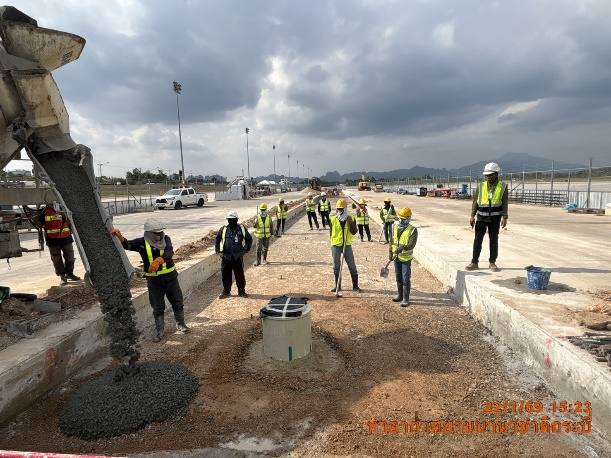
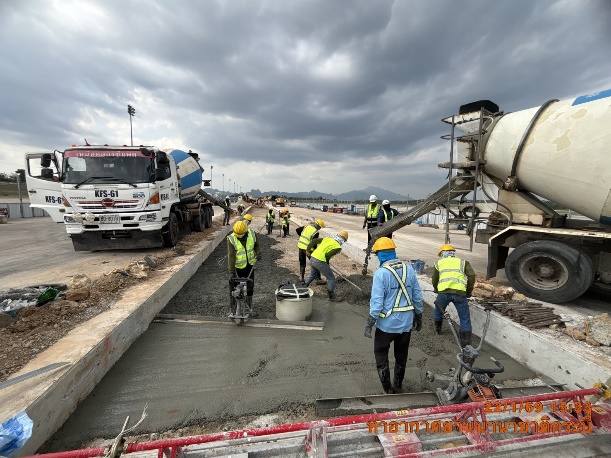
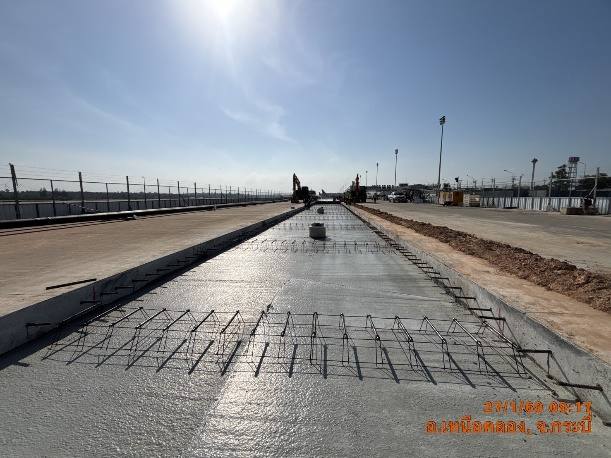
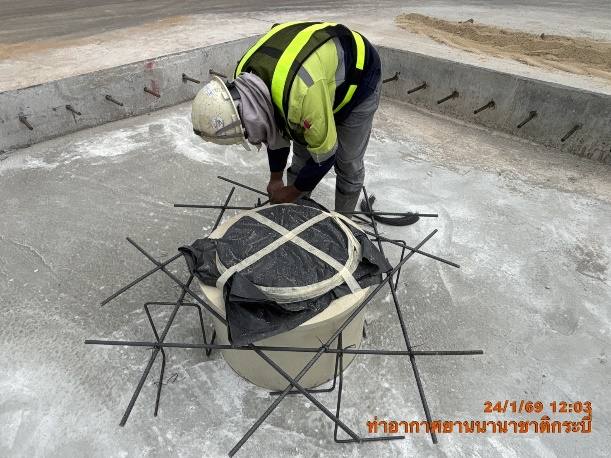
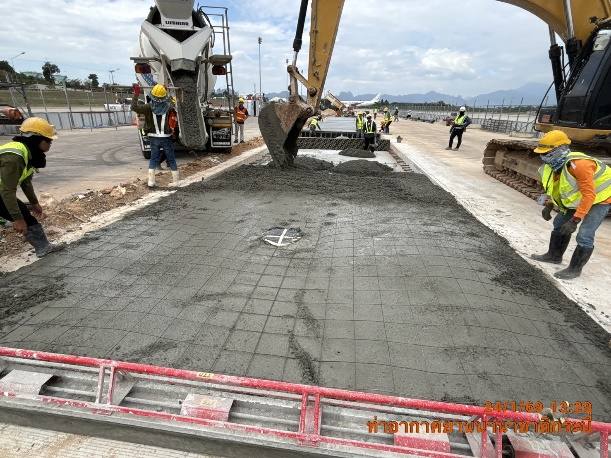
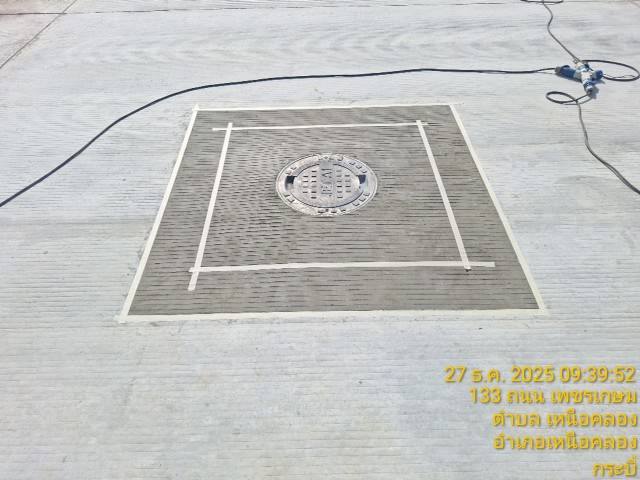
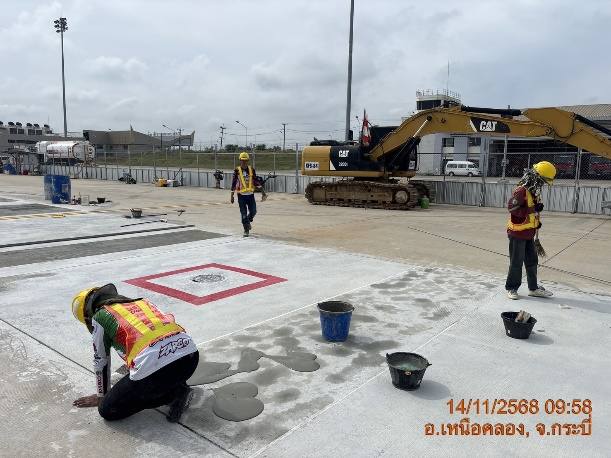
STEP OF WORK — PHOTO RECORD Hydrant System Installation Olets Spool Riser 6″ and Pit Box 13 Work Steps · 31 Site Photos 1 Install of Spool Riser 6″ and ...
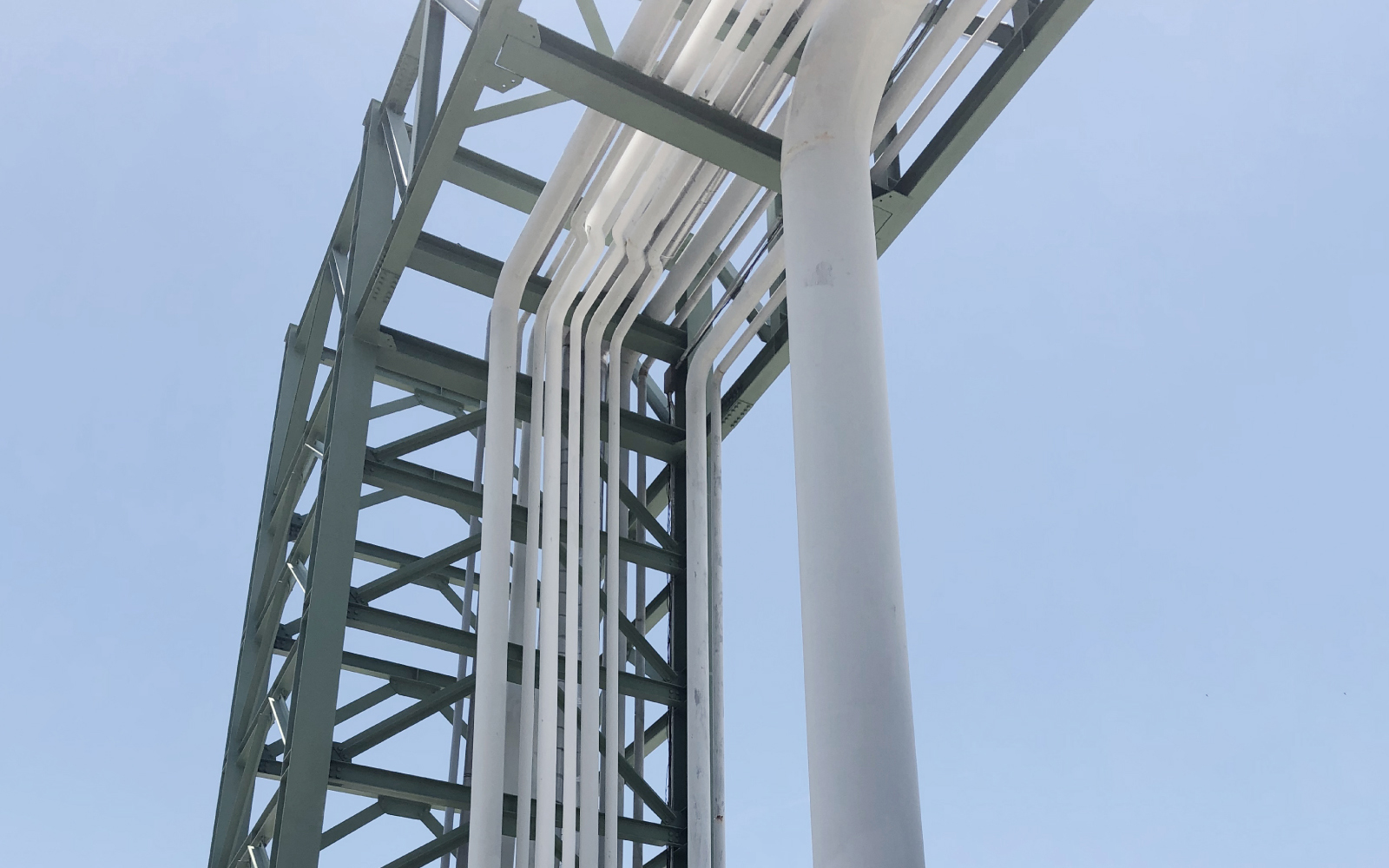
Conceptual Study: Aviation Fuel Supply System for U-Tapao International Airport
PTT engaged Brightstar to carry out the study and conceptual design of the aviation fuel supply and delivery systems required for the proposed development of U-Tapao Airport to become Bangkok’s ...
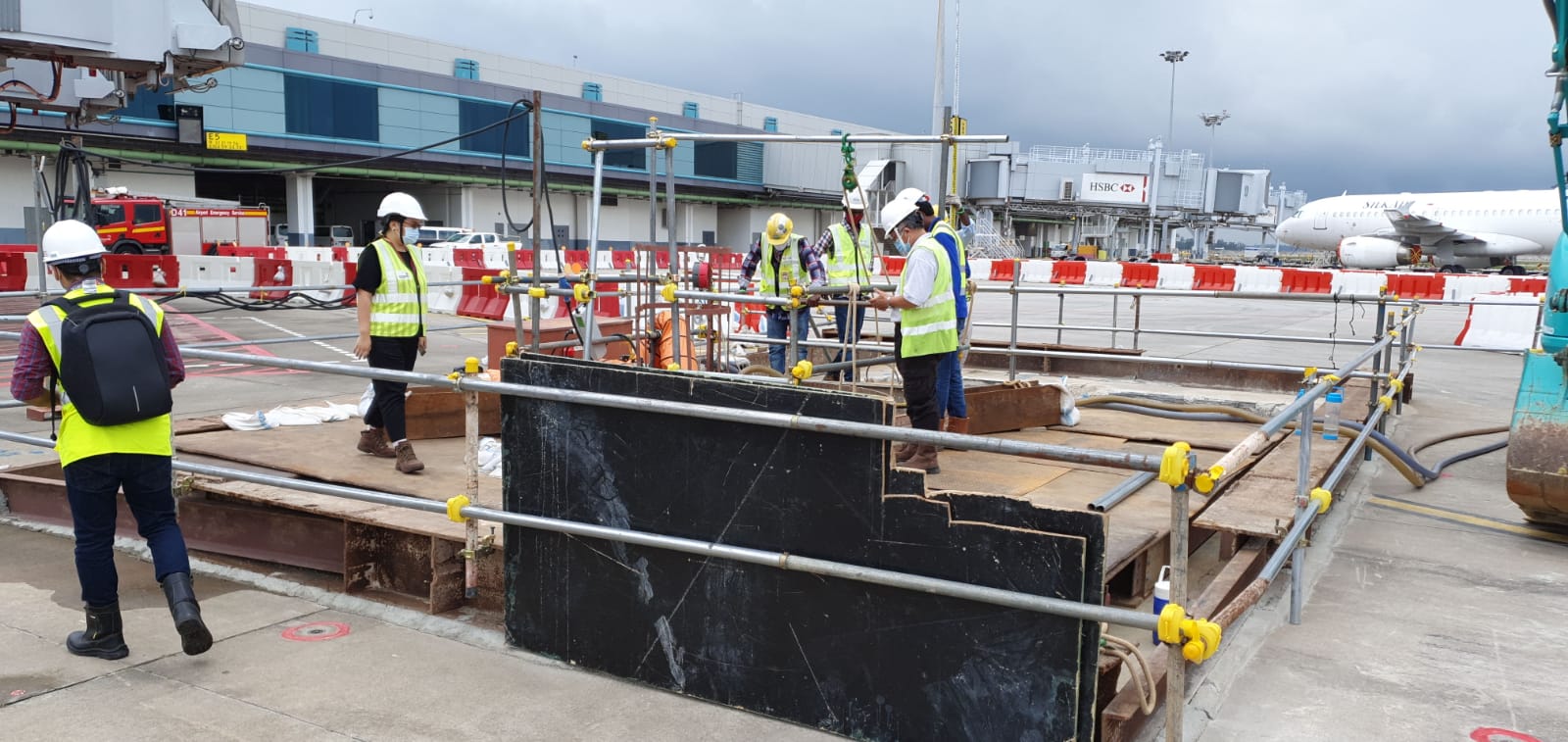
Thomson Line Extension T316: Fuel Pipelines Tunneling Impact Assessment
Brightstar have been engaged by ARUP under a 2-year framework agreement to provide technical consultancy services relating to the impact of the Thomson-East Coast MRT Line, T5 extension, tunneling works ...
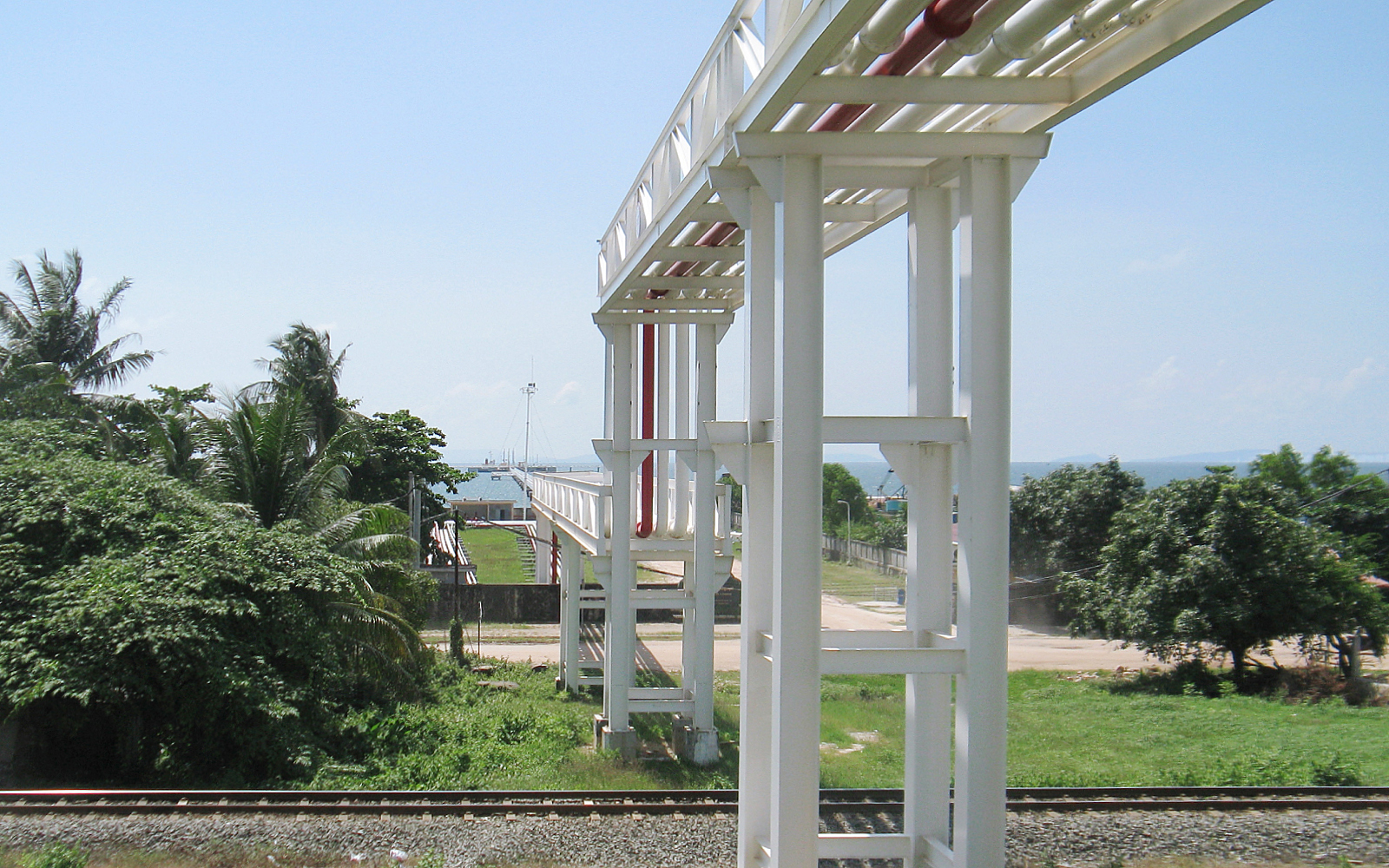
Sihanoukville to Phnom Penh Oil Product Pipeline
Kampuchea Tela Petroleum (Tela) engaged Brightstar in conjunction with our partners DRW, to provide Consultancy services for the proposed oil pipeline from Sihanoukville to Phnom Penh.
The 220km ‘multi-product’ pipeline will ...

Our Sustainability Goals
Brightstar is fully dedicated to achieving sustainability goals that prioritize the health of our planet. We recognize the importance of understanding and minimizing our environmental impact, which is why we ...

International Pipeline & Offshore Contractors Association (IPLOCA)
The 53rd IPLOCA Convention was held in Bangkok from 30th September to 4th October 2019.
Brightstar participated in the convention and joined with PTT to deliver the opening technical presentation Key ...
U-Tapao International Airport Fuel System
Ongoing
U-Tapao International Airport (UTP) is an airport located in Ban Chang District of Rayong Province, approximately 170 km from Bangkok. Originally serving as the Royal Thai Navy Airfield, UTP has experienced significant growth in commercial airline service in recent years. This growth highlights its potential as part of the Bangkok airport system, which includes Suvarnabhumi …
Our Sustainability Goals
June 2023
Brightstar is fully dedicated to achieving sustainability goals that prioritize the health of our planet. We recognize the importance of understanding and minimizing our environmental impact, which is why we conduct comprehensive environmental studies for every project we undertake. These studies allow us to assess potential risks and develop innovative solutions that align with our …
BPT LinkLine NBPT Phase III (Angthong-Saraburi) Project
Ongoing
BAFS Fuel Pipeline Transportation Ltd. (BPT) would construct a new pipeline from an existing oil terminal in Saraburi (SRB) connecting to the NFPT multi-product pipeline in the vicinity of Angthong, central Thailand. The project is termed as Saraburi-NBPT Link Line Project and will provide a supply route for HighSpeed Diesel (HSD) and Gasoline Base (GB) …
AOT Chiang Mai Airport Development Phase 1 Project
Ongoing
Chiang Mai Airport, operated by Airports of Thailand Co., Ltd. (AOT) will be expanded to accommodate increasing passenger traffic and a greater proportion of international flights, over all 20 million passengers per year. The planned expansion works include: Improvement of existing terminal to be the Domestic Terminal Construction of a new International Terminal Improvement of …
AOT Phuket International Airport Development Phase 2 Project
Ongoing
Phuket Airport, operated by Airports of Thailand Co., Ltd. (AOT) will be expanded to handle 10.5 million international passengers and 18 million overall passengers per year. The planned expansion works include: International Terminal Expansion Improvement of existing apron and construct new south apron Related airside and landside infrastructure works The project is supporting the airport …
Consultancy Services for Additional Tanks Construction Projects at Singapore Changi Airport
Ongoing
Project Purpose and Scope The project adds three new above-ground Jet A-1 storage tanks to meet increasing aviation fuel demand at Changi Airport. New tanks will integrate with existing infrastructure, adding 20 to 24 million liters of storage for operational resilience and supply continuity. Implementation of IPA requirement for a backup of critical infrastructure against …
Nyaung-U (Bagan)
Ongoing
In 2019, Golden Myanmar Airlines (GMA) recieved permission from the Myanmar Investment Commission for the importation, storage distribution and dispensing of Jet Fuel to 7 regional airports around Myanmar. The first airport location to be developed is Nyaung-U, serving the ancient city of Bagan, a UNESCO World Heritage Site on the banks of the Irrawaddy …
Krabi International Airport: Hydrant Fuel System Project
August 2020
PTT have engaged Brightstar to prepare the FEED package for a new hydrant fuel system to be constructed at Krabi International Airport.
The FEED package includes a scope of work as the basis for EPC tendering.
Hydrant System Installation Olets Spool Riser 6″ and Pit Box
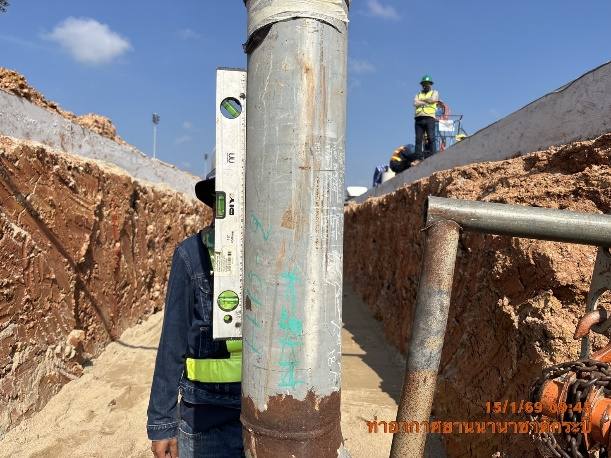
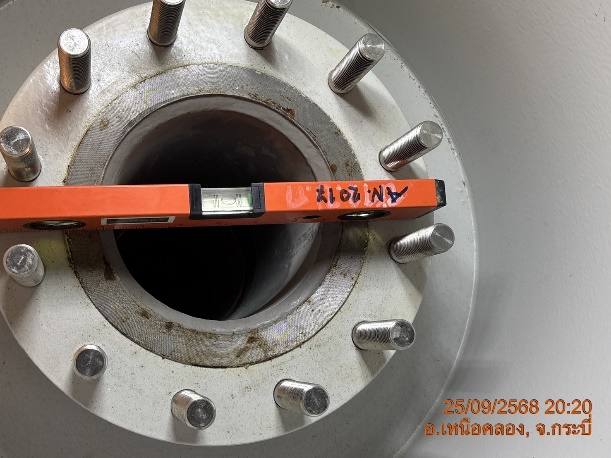
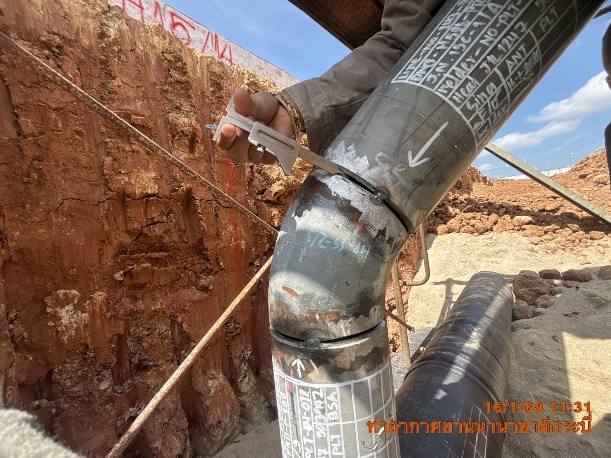
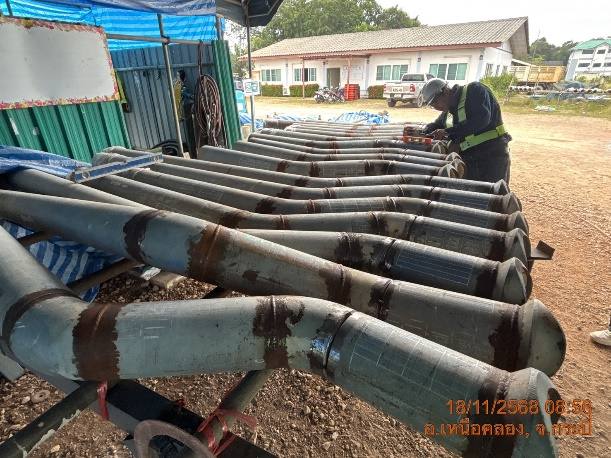
STEP OF WORK — PHOTO RECORD Hydrant System Installation Olets Spool Riser 6″ and Pit Box 13 Work Steps · 31 Site Photos 1 Install of Spool Riser 6″ and Pit Box 2 Inspection – Fit-up Spool Riser 6″ 3 Witness Inspection – Welding Joint of Riser Pit Box for Hydrant System 4 Inspection Confirms …
Conceptual Study: Aviation Fuel Supply System for U-Tapao International Airport
November 2019
PTT engaged Brightstar to carry out the study and conceptual design of the aviation fuel supply and delivery systems required for the proposed development of U-Tapao Airport to become Bangkok’s third international airport.
The study encompassed three modes of supply (ship, pipeline and road tanker) upgrading of the existing fuel depot, new fuel hydrant and intoplane facilities.
U-Tapao International Airport Fuel System
Ongoing
Location
U-Tapao
Project Type
PMC
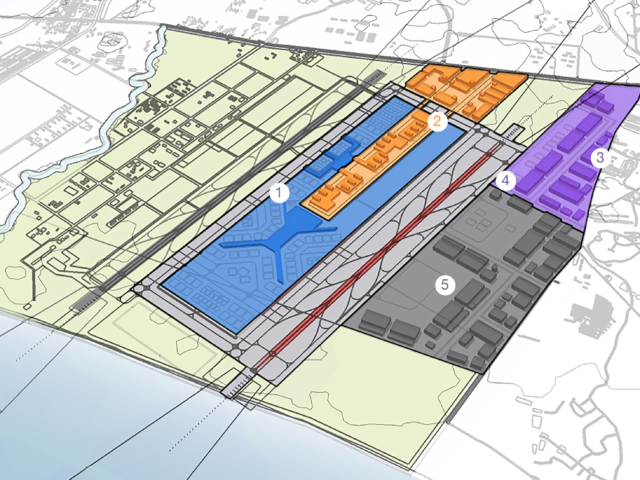
U-Tapao International Airport (UTP) is an airport located in Ban Chang District of Rayong Province, approximately 170 km from Bangkok. Originally serving as the Royal Thai Navy Airfield, UTP has experienced significant growth in commercial airline service in recent years. This growth highlights its potential as part of the Bangkok airport system, which includes Suvarnabhumi International Airport (BKK) and Don Meuang International Airport (DMK). The development of the new U-Tapao International Airport is a key component of the EEC development initiative, which consists of six major infrastructure projects.
The new UTP Airport will be developed and operated by U-Tapao International Aviation Co., Ltd. (UTA), a joint stock company formed by Bangkok Airways (BA), BTS Group Holdings (BTS), and Sino-Thai Engineering and Construction (STEC). The fuel system at the new UTP airport will be operated separately under a concession by Global Aero Associates Co., Ltd. (GAA), a joint venture between Bangkok Aviation Fuel Services (BAFS) and PTTOR. To ensure efficient project management, GAA has enlisted the services of Brightstar Engineering for project management consultancy (PMC), which includes various tasks such as project management support, fuel demand projection, and construction supervision consultancy.
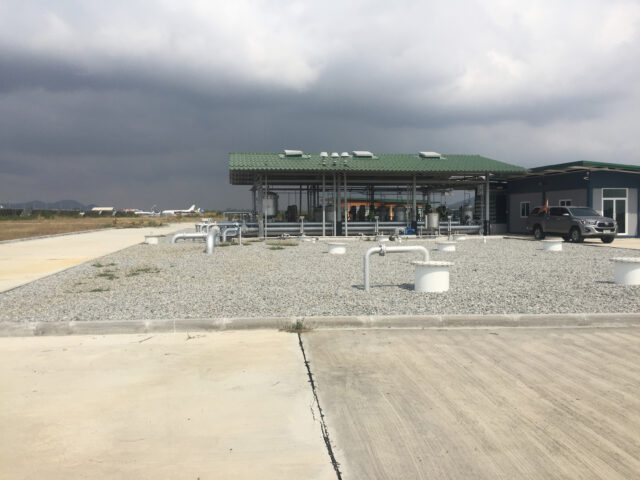
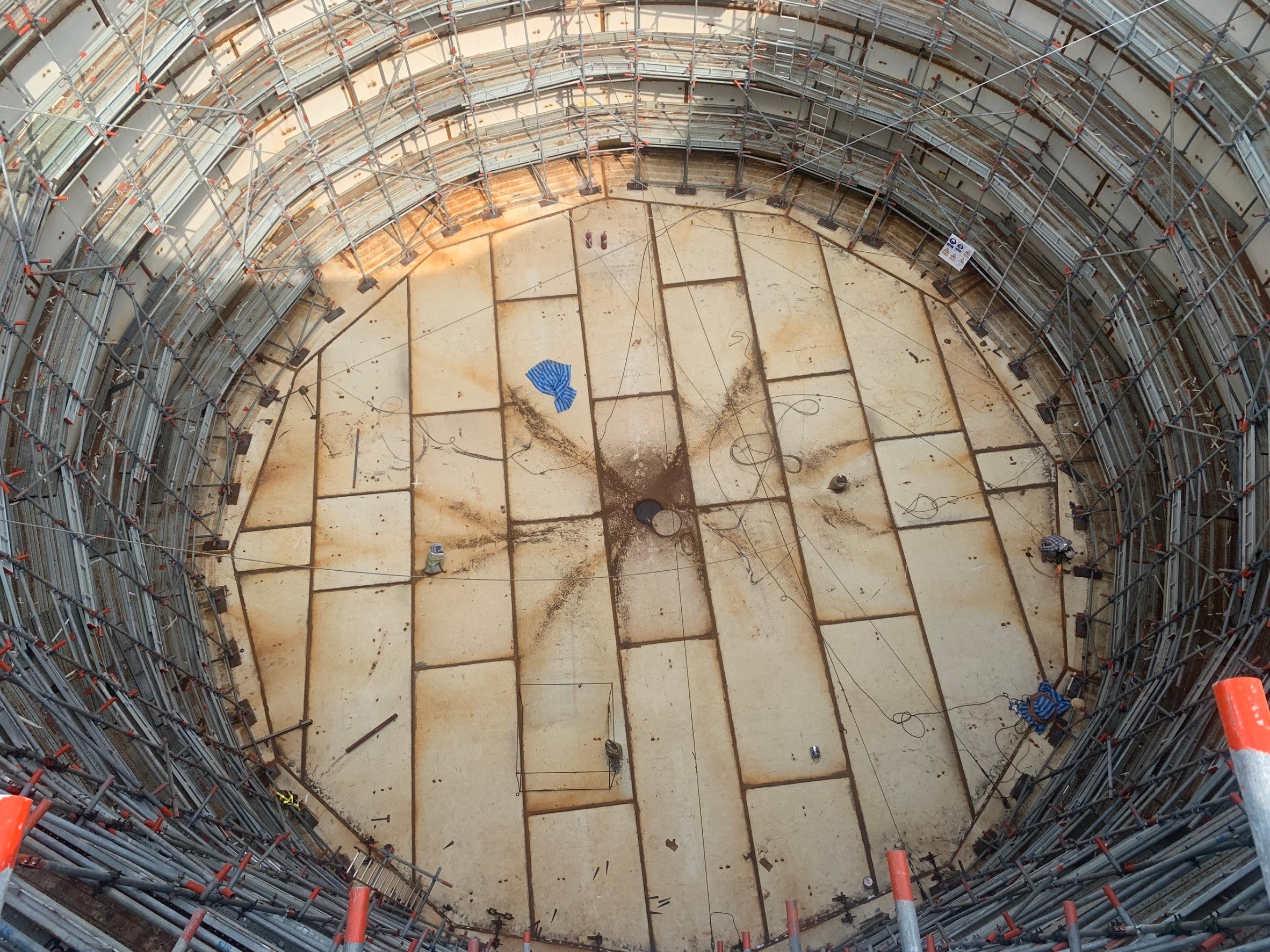
The initial phase of the new U-Tapao International Airport’s fuel system comprises an airport depot and hydrant facilities designed to meet industry guidelines. The airport depot includes three Jet A-1 fuel vertical storage tanks, road tanker offloading bays, pipeline receiving facility, and various other facilities for fuel transfer and management. It also features a hydrant system with pumps, flushing and depressurization facilities, and emergency shutdown capabilities. Firefighting facilities and ancillary systems like drainage and utility systems are included as well. Additionally, the fuel hydrant system consists of twin 16″ hydrant feeder lines, hydrant loops covering different areas, and refueling points at aircraft parking stands. Sectional valve chambers, emergency fuel shut-off system, and monitoring instrumentation ensure safe and efficient fuel distribution.
The initial phase of the new U-Tapao International Airport’s fuel system comprises an airport depot and hydrant facilities designed to meet industry guidelines. The airport depot includes three Jet A-1 fuel vertical storage tanks, road tanker offloading bays, pipeline receiving facility, and various other facilities for fuel transfer and management. It also features a hydrant system with pumps, flushing and depressurization facilities, and emergency shutdown capabilities. Firefighting facilities and ancillary systems such as drainage and utility systems are included as well.
The fuel hydrant system consists of twin 16″ hydrant feeder lines, hydrant loops serving all aprons, and refueling points at aircraft parking stands. Sectional valve chambers, emergency fuel shut-off system, and monitoring instrumentation ensure safe and efficient fuel distribution.
Overall, the development of U-Tapao International Airport and its fuel system signifies its potential for growth within the Bangkok airport system. The involvement of multiple companies and the implementation of industry guidelines highlight the commitment to quality and efficiency in the airport’s operations.
Brightstar Engineering, while providing project management consultancy for the U-Tapao International Airport’s fuel system, is fully dedicated to applying sustainability goals and minimizing environmental impact. The company commissions comprehensive environmental studies, actively promotes sustainable jet fuels, and promotes carbon net-zero by 2050. With a commitment to making a positive impact on the environment, Brightstar aligns the project with its sustainability objectives, contributing to a greener and more climate-accountable aviation industry.

Our Sustainability Goals
June 2023
Brightstar is fully dedicated to achieving sustainability goals that prioritize the health of our planet. We recognize the importance of understanding and minimizing our environmental impact, which is why we conduct comprehensive environmental studies for every project we undertake. These studies allow us to assess potential risks and develop innovative solutions that align with our sustainability objectives. Additionally, we are actively engaged in researching and promoting sustainable jet fuels, recognizing the aviation industry’s contribution to carbon emissions. By exploring alternative fuel sources, we aim to reduce our carbon footprint and contribute to a greener future for air travel. As part of our commitment, we have set a non negotiable target to achieve carbon net-zero by 2050. Brightstar is resolute in its dedication to sustainable practices and remains committed to making a positive impact on the environment at every opportunity.
BPT LinkLine NBPT Phase III (Angthong-Saraburi) Project
Ongoing
BAFS Fuel Pipeline Transportation Ltd. (BPT) would construct a new pipeline from an existing oil terminal in Saraburi (SRB) connecting to the NFPT multi-product pipeline in the vicinity of Angthong, central Thailand.
The project is termed as Saraburi-NBPT Link Line Project and will provide a supply route for HighSpeed Diesel (HSD) and Gasoline Base (GB) products from Maptaphut/Rayong and Sriracha sources via the Thappline pipeline system and the associated SRB Terminal facilities to the NFPT pipeline system serving the North of Thailand.
The Project includes:
- Link Line SRB Pump Station, with tie-ins to the existing SRB Terminal facilities.
- Link Line pipeline, approximately 52 km length
- New Receiving Station on NBPT pipeline to receive product from Link Line into the NFPT pipeline.
- Control & Communications facilities to enable the operation of the Link Line via the existing BPT control room at Don Muang (DMK).
AOT Chiang Mai Airport Development Phase 1 Project
Ongoing
Chiang Mai Airport, operated by Airports of Thailand Co., Ltd. (AOT) will be expanded to accommodate increasing passenger traffic and a greater proportion of international flights, over all 20 million passengers per year.
The planned expansion works include:
- Improvement of existing terminal to be the Domestic Terminal
- Construction of a new International Terminal
- Improvement of existing contact apron
- Construction of new remote parking aprons
- Related airside and landside infrastructure works
The project is supporting the airport expansion; the Aviation Fuel System (AFS) will require to be upgraded and extended as appropriate to serve the new aircraft parking stands 8 MARS and 22 Code C and associated increase in fuel demand. The Project design States are Schematic Design, Preliminary Design and Developed Design as scope;
- Replacement of existing Fuel Hydrant.
- Replacement of existing Feeder Lines
- Addition of isolation and instrumentation facilities to support tightness monitoring facilities
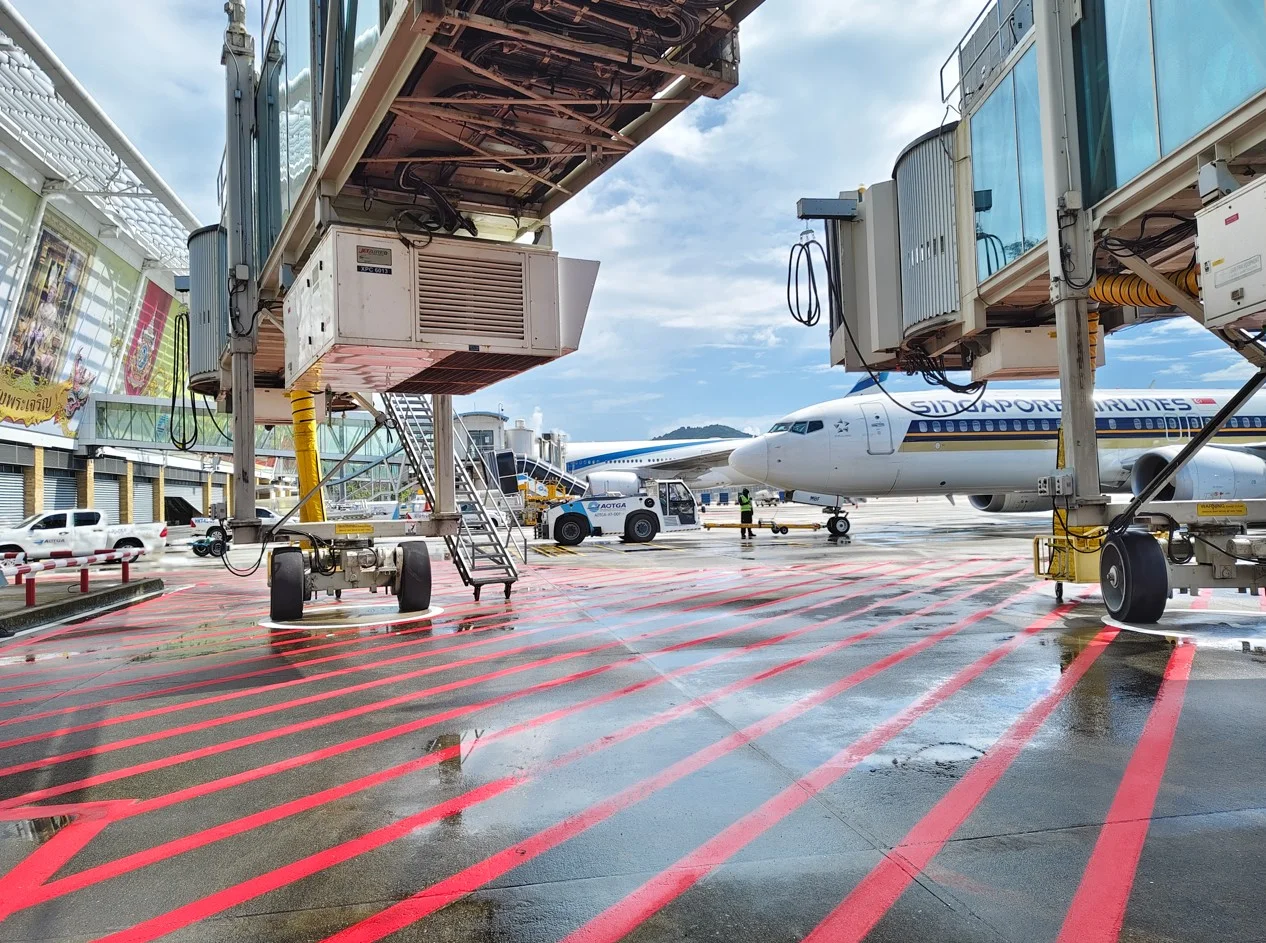
AOT Phuket International Airport Development Phase 2 Project
Ongoing
Phuket Airport, operated by Airports of Thailand Co., Ltd. (AOT) will be expanded to handle 10.5 million international passengers and 18 million overall passengers per year.
The planned expansion works include:
- International Terminal Expansion
- Improvement of existing apron and construct new south apron
- Related airside and landside infrastructure works
The project is supporting the airport expansion; the Aviation Fuel System (AFS) will require to be extended as appropriate to serve the new aircraft parking stands 2 Code E and 5 Code C, relocation of existing feeder line and associated increase in fuel demand.The Project design States are Schematic Design, Preliminary Design, Developed Design Detailed Design as scope;
- Modify hydrant line and provide hydrant fueling pits for new aircraft parking stands at new south apron.
- Relocation of existing Feeder Line
- Relocation of existing section valve chamber
- Addition of emergency shut off push button for new aircraft parking stands
Consultancy Services for Additional Tanks Construction Projects at Singapore Changi Airport
Ongoing
Project Purpose and Scope
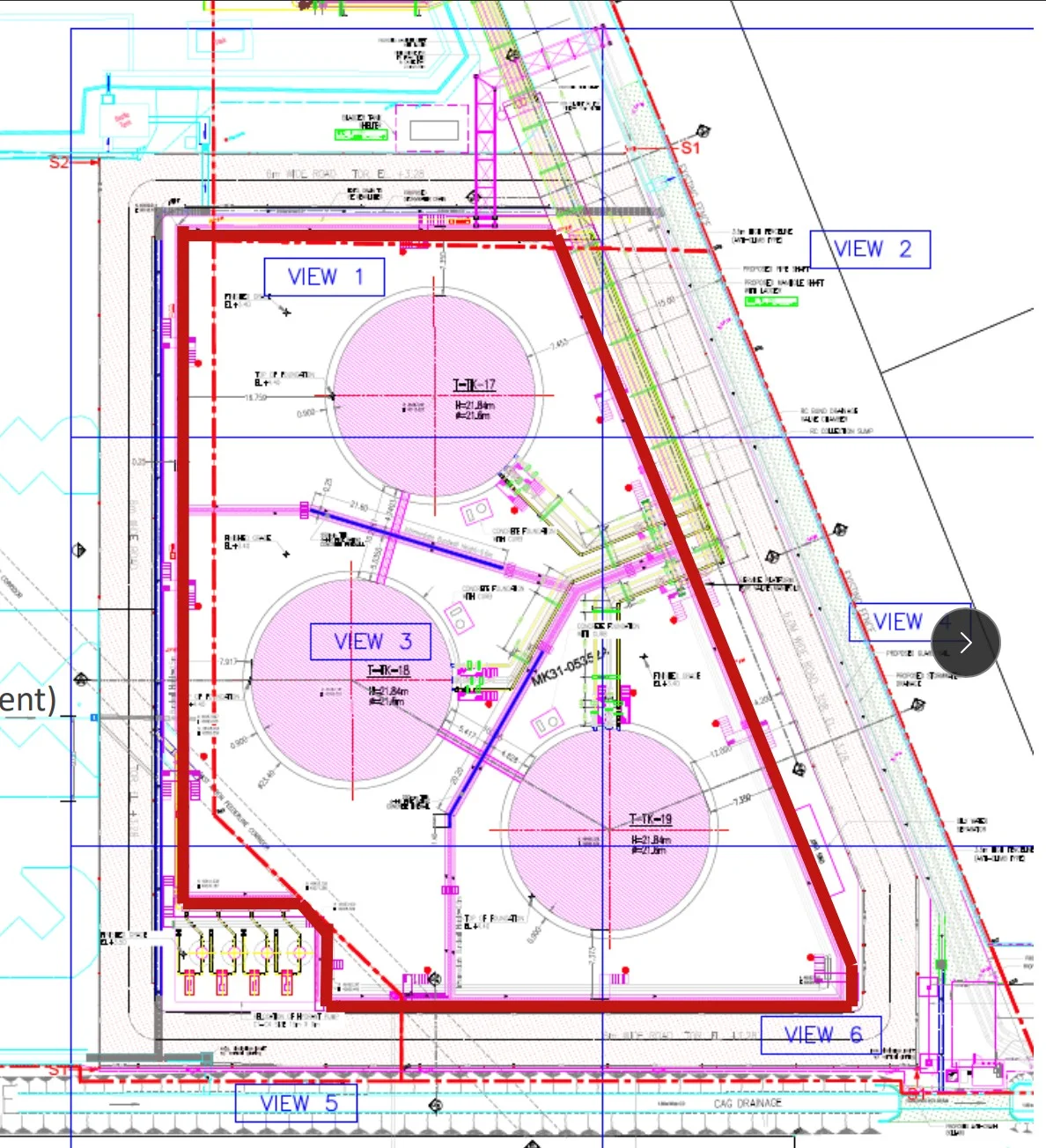
The project adds three new above-ground Jet A-1 storage tanks to meet increasing aviation fuel demand at Changi Airport. New tanks will integrate with existing infrastructure, adding 20 to 24 million liters of storage for operational resilience and supply continuity. Implementation of IPA requirement for a backup of critical infrastructure against single point of security incident. The expansion focuses on safety, regulatory compliance, operational alignment, scalability, and security by design.
The Project includes the enhancement of advance safety features which are
- fire protection, modern instrumentation,
- maintainability to ensure robust and secure operations.
Nyaung-U (Bagan)
Ongoing
In 2019, Golden Myanmar Airlines (GMA) recieved permission from the Myanmar Investment Commission for the importation, storage distribution and dispensing of Jet Fuel to 7 regional airports around Myanmar.
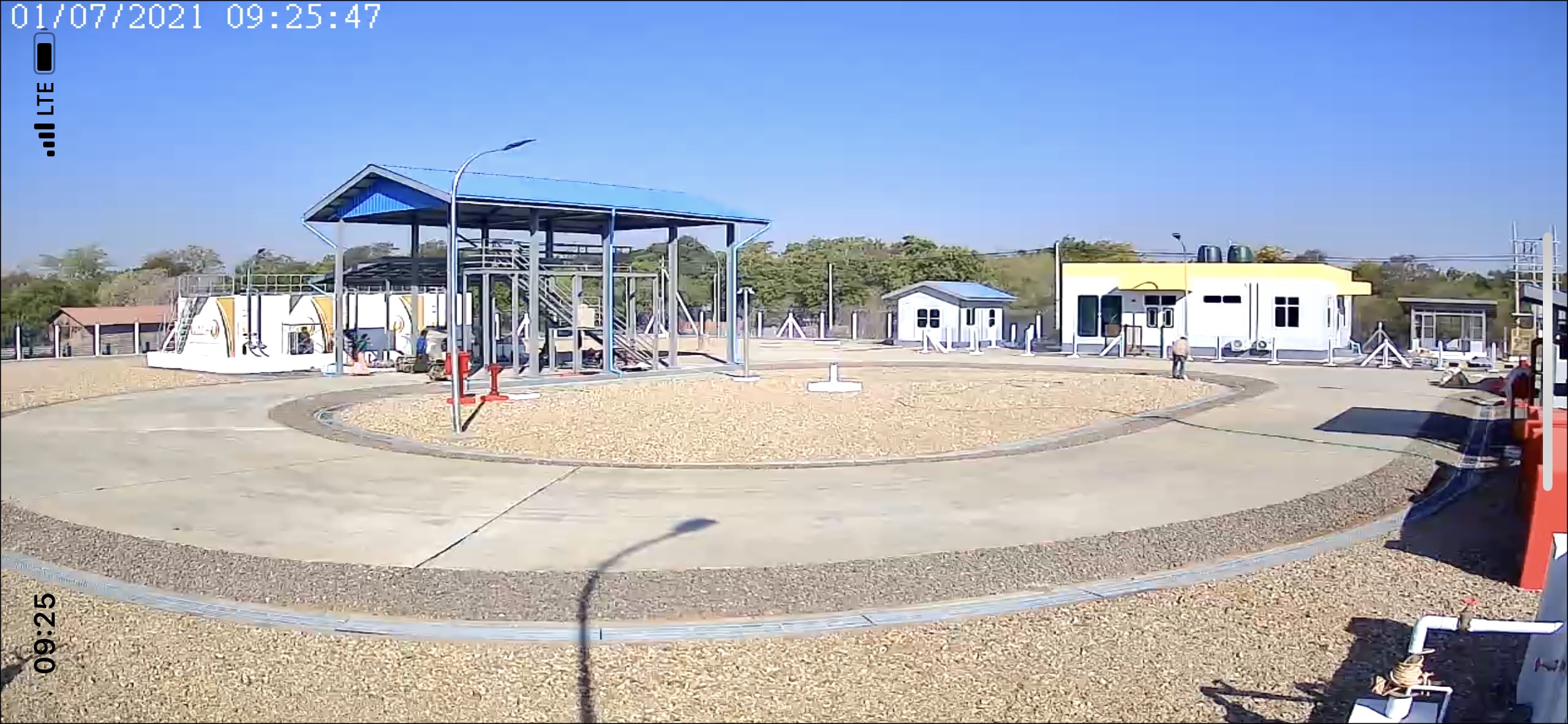
The first airport location to be developed is Nyaung-U, serving the ancient city of Bagan, a UNESCO World Heritage Site on the banks of the Irrawaddy river in the central plains of Myanmar. The airport is earmarked to receive direct international flights and the installation of a modern Jet fuel supply system has therefore been prioritised.
Brightstar provided the desgn to GMA’s EPC Contractor for a completely new green field fuel depot, located adjacent to the airport.
The facility was designed to be ‘fit for purpose’ and fully compliant with the requirements of international standards, ie. EI (Energy Institute) and JIG (Joint Inspection Group).
Given the relative remoteness of the location and the potential replication at multiple other locations, a modular design was adopted for the key components, including:
- 3 No. above ground 20 foot ‘containerised’ UL 142 self-bunded (dual wall) stainless steel storage tanks
- Automatic Tank Gauging system with remote monitoring capability
- Road tanker unloading / refueler loading skid with common pump, filter, metering and intergral refueler test facility as per JIG4 requirements
- Centralised tank fast flush and sampling unit
- Proprietary full retention (forecourt type) Oil Separator
In addition, the following facilities were provided:
- Firefighting system with storage tank, fixed monitors and portable foam unit
- Unloading/loading Shelter and access gantry
- Office building, control room and laboratory
- Site access roads, drainage and security fencing
The design reflected EI and NFPA safety distances and included provision for expansion of the storage capacity (additional tanks) and the addition of future maintenance workshop.
Krabi International Airport: Hydrant Fuel System Project
August 2020
Client
PTT Public Co., Ltd.
Location
Krabi, Thailand
Project Type
FEED Design
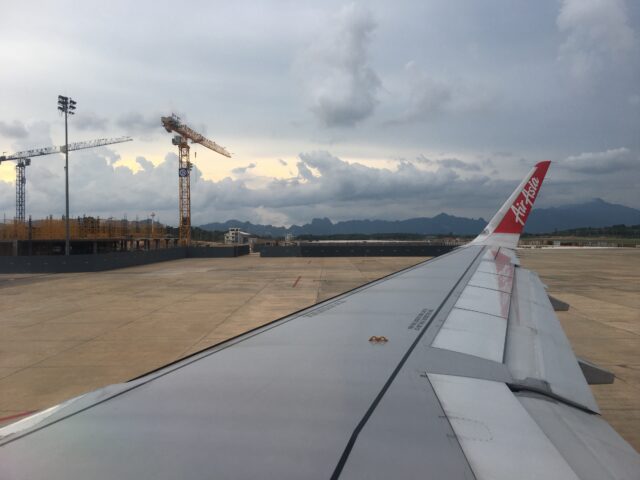
Krabi International Airport (KBV) has embarked on an expansion to build a third terminal and extend the aircraft parking aprons and associated infrastructure to increase capacity to 8 million passengers per year.
Construction of the new terminal is ongoing and installation of the new apron pavement is substantially completed.
The total number of aircraft stands will be increased to 20, 14 of which will be multiple parking type capable of accommodating one large (‘Code D/E’) or two smaller (‘Code C’) aircraft.
The current Airport Fuel Depot supplies approximately 60 million litres of jet fuel per year. The fuel is imported by dedicated bridger tankers from PTT Surat Thani fuel depot and delivered to the aircraft by refueller vehicles of 25,000 and 50,000 litres capacity.
Krabi has seen a rapid growth in medium and long haul flights, in particular from Europe, serviced by large (Code E) Aircraft such as Airbus A350 and Boeing 787 Dreamliner aircraft, which require high volume fuel uplifts of 100,000 litres or more.
The current truck based aircraft refueling operations present a limitation in terms of refueling rates, which may impact on aircraft turn-round-times as the air traffic volumes increase further.
PTT have therefore decided to improve overall fueling efficiency by installation of a fuel hydrant system which will enable much higher fueling rates and remove the need for multiple refueller deliveries for the larger aircraft.
The existing fuel depot will also be expanded and upgraded to supply the fuel hydrant and the increasing fuel demand at the airport.
Brightstar Scope of Work:
The work comprised:
- Review and develop the hydrant design concept
- Compile fuel demand design basis
- Carry out hydraulic calculations to verify hydrant and feeder line sizing
- Review aircraft stand parking positions and verify hydrant fuel point locations
- Develop the FEED Design package for the new Hydrant Fuel System
- Review the existing fuel depot facilities (including ongoing work packages) and identify any modifications and additions required to support the new hydrant fuel system.
- Prepare the scope of works as the basis for tendering and execution of an EPC contract for the hydrant construction and depot modifications.
- Detailed cost estimate for the works
- Prepare preliminary construction method statements for key activities:
- HDD hydrant installation
- Hydrant riser and pit box installation
- Assist PTT in presentations to the Department of Airports in support of their application for a project construction permit
Site visits were carried out to assess the existing depot facilities, ongoing expansion works and to survey the hydrant and feeder line routes and construction methodology.
Value Added:
Hydrant Configuration
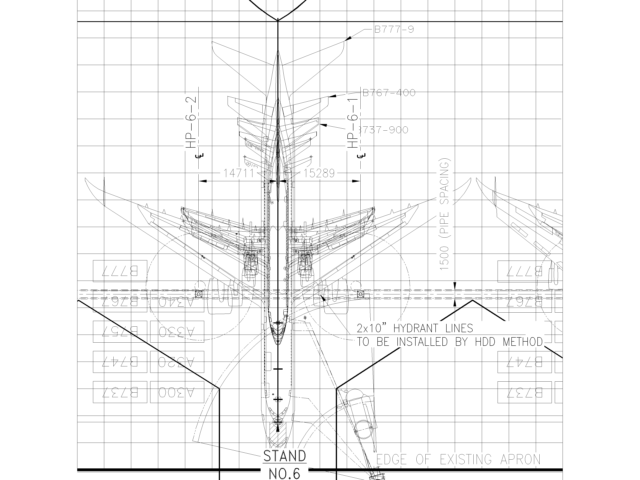
A twin parallel 10 inch hydrant configuration was adopted to enable redundancy in operation and flushing capability to maintain fuel cleanliness at the highest standard.
Section valves were installed in chambers to allow isolation of individual sections for maintenance and inspection purposes without disconnecting flow to other sections. The system sizing allowed these valves to be manually operable only, removing the need for power supplies and remote actuation facilities in the valve chambers and reducing cost accordingly, without in any way compromising the safety or operability of the hydrant fuel system.
Operation and Emergency Shutdown of the hydrant system is performed by equipment and control systems located in the airport fuel depot; the only apron side facilities required were the emergency fuel shut off units installed at each aircraft stand, cabling to a marshalling cabinet installed in the Airfield Lighting Room and communications equipment to send the signals by dual redundant fibre optic cables to the fuel depot.
Hydrant Sizing
Detailed passenger throughput forecasts were not available so Brightstar applied ‘reverse’ sizing principles to model hydrant hydraulics. This involved using typical stand utilsation factors, likely apron distribution and aircraft turn round times (TRT) to estimate the peak fuel uplift. This was then input to a preliminary hydraulic model to confirm optimal pipe sizing.
Hydrant Alignment
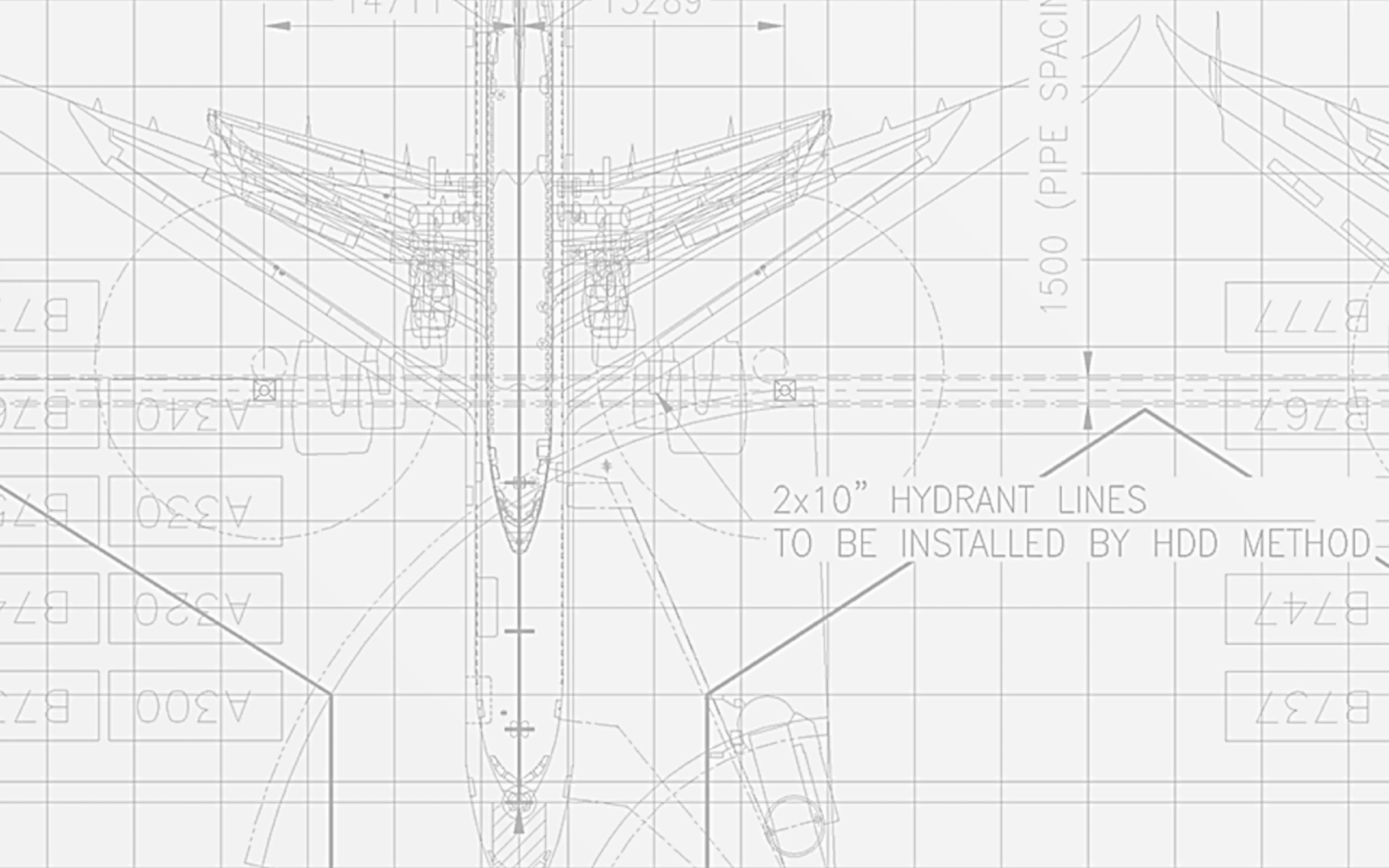
Based on experience from other airports and fuel dispenser operational limitations, Brightstar were able to locate the hydrant lines and all required refueling pits within a straight 4.5 meter corridor along the length of the apron.
This minimized the cost – and disruption – of installing the hydrant pits in the existing apron.
Hydrant Construction
At the time Brightstar were appointed, the construction of the new aprons was substantially complete. Therefore, to minimize the need for intervention in the apron areas, Brightstar developed a methodology for construction of the hydrant beneath aprons by Horizontal Directional Drilling (HDD) technique, using a highly accurate guidance system.
A ‘J-profile’ HDD was adopted in order to maintain the required slope on the finished hydrant, minimize the number of drills required and the depth of the hydrant, in order to facilitate post-drilling the connection of the hydrant risers and pit boxes.
The proposed HDD design also allowed the number of sectioning valve chambers to be reduced to just 3, of which only the central chamber was required to be installed beneath aircraft load bearing apron pavement.
Calculations were also performed to model the ground reaction to the drilling operation beneath the apron; based on this calculation, it was determined that no post-drill grouting or polymer treatment of the soil was required to support the subgrade and apron above.
These engineering measures yielded construction cost savings of around 20%, enabling the project to be delivered within the available budget.
Hydrant Pit Installation
Installing the Hydrant pits and 6 inch riser pipes to the hydrant pipes after HDD was identified as a critical activity to the success of he project.
Brightstar therefore developed a detailed methodology for installation of the risers and pits which the selected EPC Contractor will be required to adopt.
The methodology addresses all the key requirements including:
- Minimise the required area of apron pavement removal
- Safety and fresh air supply in excavated access shaft
- Avoidance of disturbance to the surrounding subgrade
- Field adjustments to the hydrant pit box position and elevation with respect to the surrounding apron finish level.
- Compaction levels for backfill in excess of the requirements from the apron pavement design for subgrade compaction.
Feeder Line Routing
The original concept had been to feed the hydrant by a feed from the depot joining the hydrant at a point part way along the apron.
This would have entailed removal of a large section of newly installed apron to install the connection and the installation of an additional valve chamber in the apron.
To avoid this, Brightstar revised the routing of the feeder lines to connect to the end of the hydrant away from the apron.
This meant that the feeder lines could be installed mostly by open cut construction and no apron removal will be required, minimizing project costs and risks accordingly.


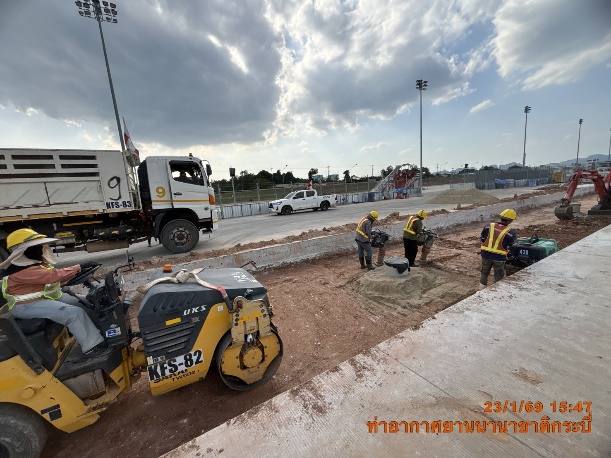
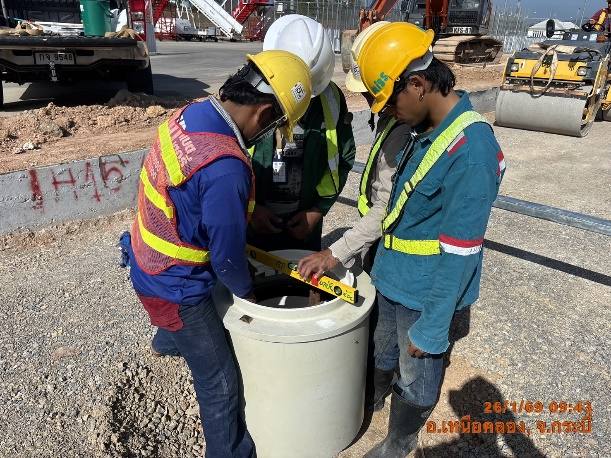
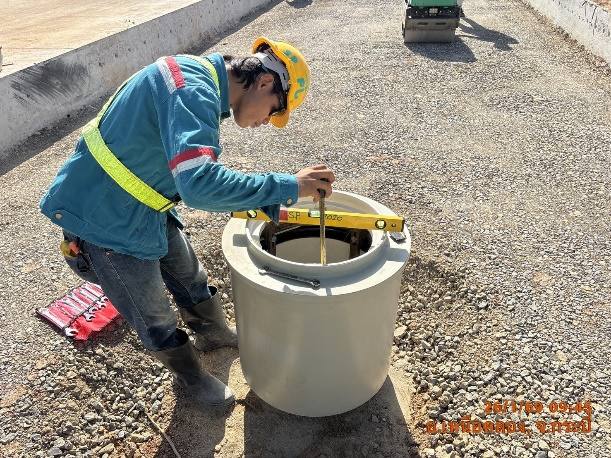
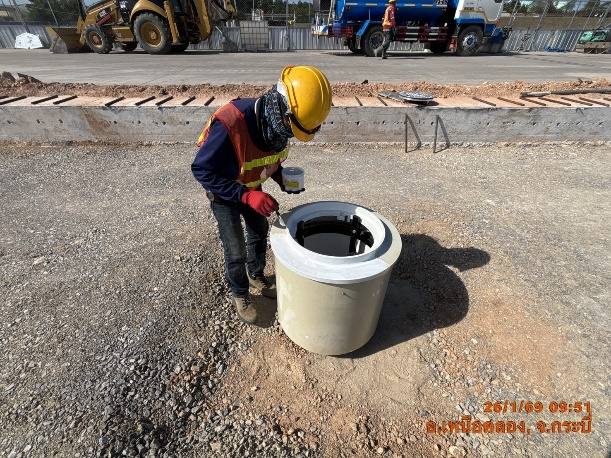
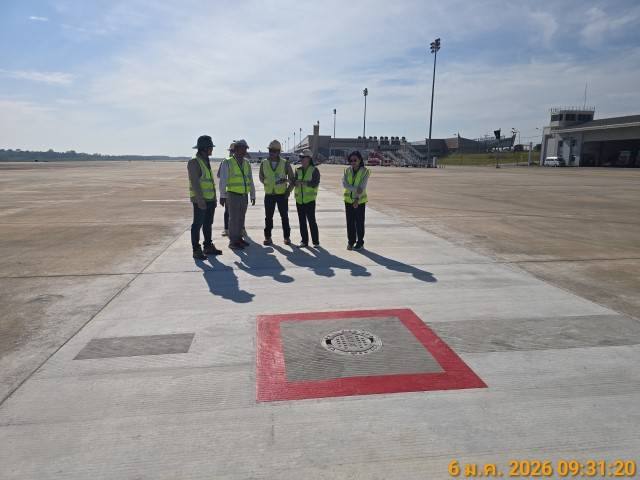
Hydrant System Installation Olets Spool Riser 6″ and Pit Box
Hydrant System Installation
Olets Spool Riser 6" and Pit Box
Conceptual Study: Aviation Fuel Supply System for U-Tapao International Airport
November 2019
Client
PTT Public Co., Ltd.
Location
Rayong, Thailand
Project Type
Study
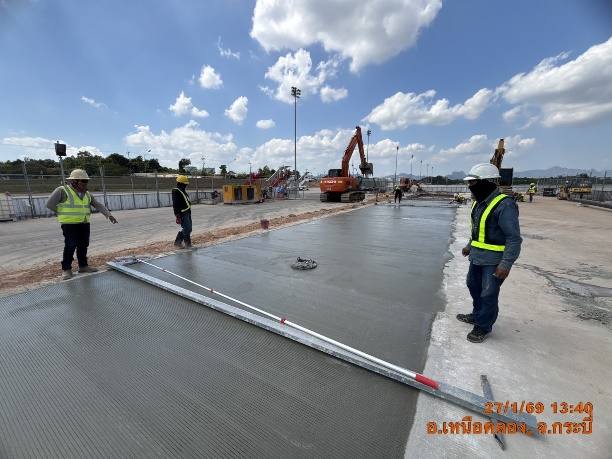
The Government of Thailand plans to develop U-Tapao Airport as the third international airport serving Bangkok and the Eastern Seaboard, as part of the ‘Eastern Economic Corridor’ (EEC) initiative.
The development comprises new Passenger Terminals, Cargo, Maintenance, Repair & Overhaul (MRO) facilities, Aviation Training Centre and a Free Trade Zone to serve the ‘S-Curve’ industries targeted as part of the EEC development.
The initial airport capacity will be 12 million annual passengers in the initial phase increasing to an ultimate capacity of 60 million.
PTT is the aviation fuel provider at the current airport and intends to tender for the upgrading and expansion of the aviation fuel supply facilities to serve the new airport development.
PTT appointed Brightstar to study the fuel system required to support the airport development, which was divided into 4 separate elements (sub-projects):
-
- Airport Fuel Hydrant System (including Intoplane facilities)
- Upgrading of the existing Fuel Depot
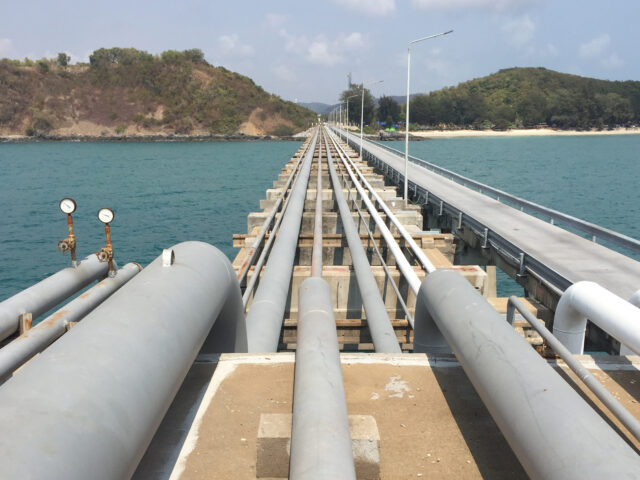
- Marine Tanker jetty unloading and transfer facilities
- Dedicated Fuel pipeline from Map Ta Phut refineries
Brightstar Scope of Work:
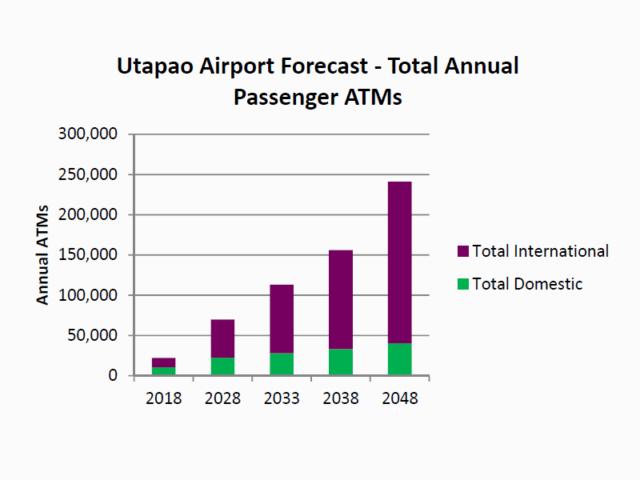
In order to estimate the required capacity of the fuel supply system, Brightstar carried out fuel uplift projections for the initial, intermediate and ultimate phases of the airport development.
Based on these projections and the available data for the airport configuration, Brightstar carried out an assessment of each element of the system which considered the options, utilization of existing facilities where appropriate and order of magnitude costs. Recommended configurations were presented and iterated with PTT.
Following agreement, Brightstar developed conceptual designs and associated cost estimates for each element of the system.
Value Added:
Fuel Uplift Projections
Fuel uplifts are often calculated by simple extrapolation of historic volumes and/or the application of typical demands to projected passenger or ATM numbers. However, this methodology does not deliver confidence levels concomitant with multi-million-dollar investment decisions.
Brightstar adopts a more sophisticated approach to fuel uplift projection which reflects the complex array of influences including aircraft mix, journey profile and industry trends.
For this project, the projections were based on the various passenger and air traffic movement (ATM) forecast data sets published by the Government as part of their market soundings, historic fuel data for the existing Bangkok airports and typical fuel uplift data published by IATA and others.
Using our accumulated knowledge base from other airport developments, Brightstar then processed this data for the assessed aircraft mix, anticipated route network and allowances for load factor, fuel efficiencies, etc.
This provided the basis for the sizing of the various supply facilities including jetty, pipeline and along with an assessment of strategic stock holding requirements, for the fuel storage capacity at the depot.
For sizing the hydrant fuel system, the maximum instantaneous fuel demand was required. Peak hour departing ATM forecasts were used as the basis for this and applied for the sizing of the buried pipe network and pump station capacity.
The resulting fuel uplift projections produced by Brightstar provided a robust basis for the optimal sizing and configuration of the various system facilities and in turn an accurate assessment of project costs for financial analysis and project investment appraisal.
Master Plan
The Master Plan had not been finalised at the time of the Study. Two very different basic airport terminal configurations were under consideration by each of the prospective concessionaires.
Brightstar therefore prepared apron stand layouts and conceptual fuel hydrant Designs for both potential options, allowing the study to be completed and arming PTT with the information to evaluate and respond quickly and definitively to the requirements of either selected airport concessionaire.
Fuel Depot Upgrade
The existing fuel farm was originally constructed to US military standards with large tank spacing. This led to a number of unusual technical challenges including pump suction head, fire protection requirements and power supplies for the added facilities.
Brightstar were able to develop cost effective solutions to all these challenges which were incorporated into the conceptual design for the fuel depot upgrade and cost estimate.
Landside Operating Base
Due to the diverse fuel supply facilities requiring control, the mixed use configuration of the existing fuel depot and its distance from the airport apron areas, Brightstar devised the concept of a Landside Operating Base (LOB) as a common facility to provide integrated control, operations and maintenance facilities for the various supply elements. The LOB also includes testing, maintenance and calibration facilities for the Fuel hydrant dispenser and refueler vehicles, separately from the airside GSE staging facilities provided for in the airport master plan.
The LOB concept will allow PTT to implement the fuel system projects with a lower dependency on the readiness of airport provided infrastructure than would otherwise be the case.